
Preventive vs. Reactive Maintenance: Which Saves More Money?
Understanding Two Approaches to Facility Maintenance
When equipment breaks, organizations have two options: repair it after failure or maintain it before failure occurs.
These approaches are known as reactive maintenance and preventive maintenance.
What Is Reactive Maintenance?
Reactive maintenance occurs after equipment has already failed.
Examples include:
Emergency HVAC repairs
Burst pipe repairs
Electrical failures
Emergency roof leak repairs
While reactive maintenance may appear less expensive initially, emergency repairs often cost more because they require urgent response, replacement parts, overtime labor, and operational downtime.
What Is Preventive Maintenance?
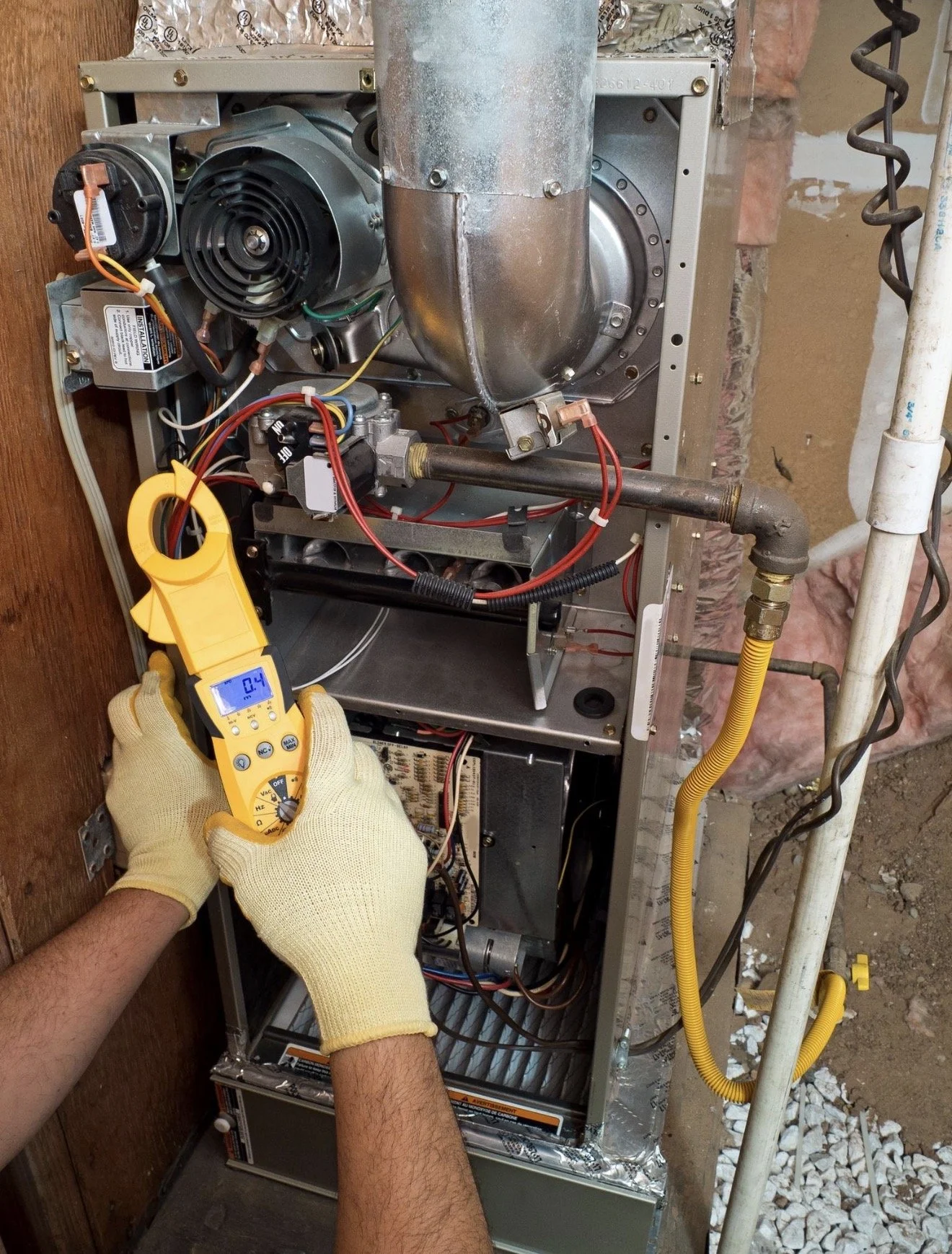
Preventive maintenance involves scheduled inspections, servicing, cleaning, testing, and repairs before failure occurs.
Examples include:
HVAC filter replacement
Roof inspections
Fire system testing
Generator maintenance
Plumbing inspections
Comparing the Costs
Preventive maintenance provides:
✓ Better budget control
✓ Reduced downtime
✓ Improved equipment lifespan
✓ Greater safety
✓ Better regulatory compliance
Reactive maintenance often results in:
✗ Unexpected expenses
✗ Increased operational disruptions
✗ Accelerated equipment wear
✗ Greater safety risks
Building a Maintenance Strategy
Organizations should identify critical assets and develop maintenance schedules based on manufacturer recommendations, facility conditions, and operational requirements.
How F.A.M.E. Solutions Supports Clients
Our team works with organizations to develop maintenance plans that reduce emergencies, improve facility reliability, and protect long-term investments.
References
U.S. Department of Energy Better Buildings Program
OSHA Safety and Health Topics