
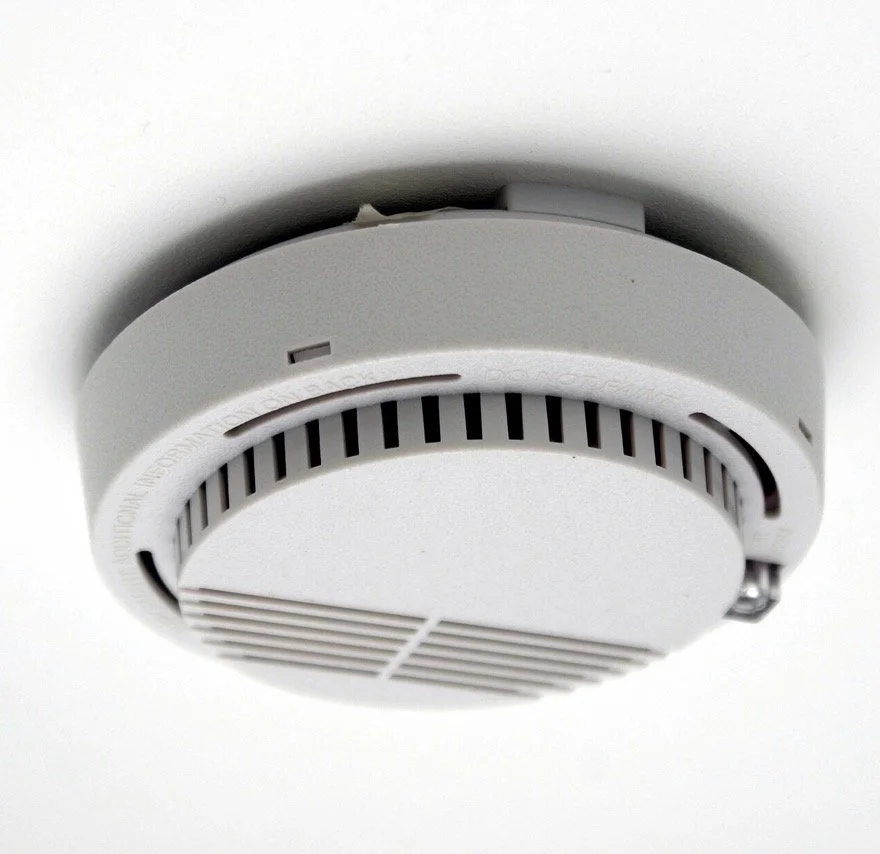
Smoke Detector Batteries and Replacement: A Small Investment That Saves Lives
Smoke Detector Batteries and Replacement: A Small Investment That Saves Lives
Smoke alarms are one of the most important safety devices in any home or facility. According to the National Fire Protection Association (NFPA), working smoke alarms significantly reduce the risk of death in a home fire by providing an early warning that allows occupants to escape safely. However, smoke alarms can only protect people if they are properly maintained and replaced when needed.
How Often Should Smoke Alarm Batteries Be Replaced?
The answer depends on the type of smoke alarm you have:
Traditional Battery-Powered Smoke Alarms
Test the alarm monthly by pressing the test button.
Replace batteries at least once per year or immediately when the unit begins chirping to indicate a low battery.
Always use fresh batteries recommended by the manufacturer.
Hardwired Smoke Alarms with Battery Backup
Test the alarm monthly.
Replace the backup battery annually or whenever the low-battery warning sounds.
Even though the alarm is connected to building power, the backup battery is critical during power outages.
10-Year Sealed Battery Smoke Alarms
Test the alarm monthly.
The battery cannot be replaced.
If the alarm chirps due to a low battery or reaches its end-of-life date, replace the entire unit.
When Should a Smoke Alarm Be Replaced?
Many people replace batteries but overlook the smoke alarm itself. Smoke alarm sensors become less reliable as they age.
The NFPA recommends replacing all smoke alarms every 10 years from the date of manufacture, regardless of whether they appear to be functioning properly. The manufacture date can usually be found on the back or side of the unit.
Consider replacing the alarm sooner if:
It fails a test.
It frequently gives false alarms.
It has visible damage or discoloration.
It continues chirping after battery replacement.
NFPA Recommended Smoke Alarm Inspection and Maintenance
The NFPA recommends the following routine maintenance:
Monthly
✓ Press the test button to verify the alarm sounds properly.
✓ Check for dust, dirt, or obstructions around the unit.
✓ Confirm all alarms are operational.
Annually
✓ Replace batteries in alarms that use replaceable batteries.
✓ Review the age of each smoke alarm.
✓ Confirm alarms are installed in the proper locations throughout the building or home.
Every 10 Years
✓ Replace the entire smoke alarm, even if it appears to be working correctly.
Smoke Alarm Placement Matters
For maximum protection, the NFPA recommends installing smoke alarms:
Inside every sleeping room.
Outside each sleeping area.
On every level of the home, including basements.
According to manufacturer installation instructions.
F.A.M.E. Solutions Safety Tip
A smoke alarm is only effective when it is working properly. Taking a few minutes each month to test alarms, replacing batteries when needed, and replacing aging units every 10 years can help protect lives and property. Whether you manage a commercial facility or your own home, proactive fire safety maintenance is one of the simplest and most effective ways to reduce risk.